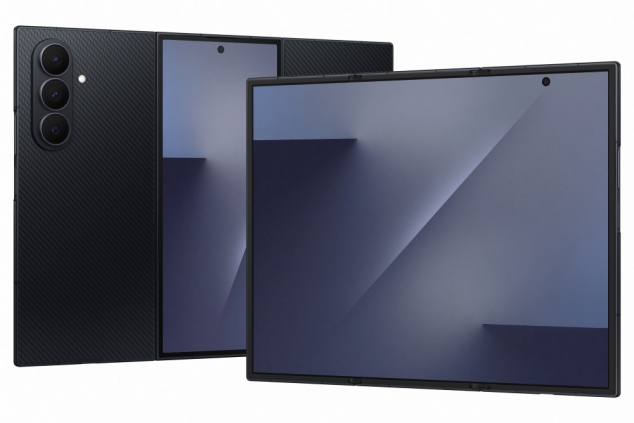
Its compact fold keeps it easy to carry, yet it opens into a roomy display for apps and media. It feels like a natural step for anyone interested in flexible phone design.
The appeal of foldable phones keeps growing because they offer something traditional slabs never quite managed. They feel experimental in a way that makes everyday tech interesting again. There is a sense of possibility when a device shifts shape in your hands, and the Galaxy Z TriFold concept leans into that feeling. Its multi-fold layout hints at a future where a phone can adapt to work sessions, entertainment, or small tasks without feeling bulky.
The Galaxy Z TriFold stands out because of how it collapses into a compact footprint, then expands into a tablet-like display when needed. The idea is simple enough: more screen without adding more bulk in your pocket or bag. That flexibility matters when you want a single device to handle reading, gaming, messaging, and video without constantly reaching for a bigger screen. The TriFold shape makes the extended view feel intentional instead of like an add-on.
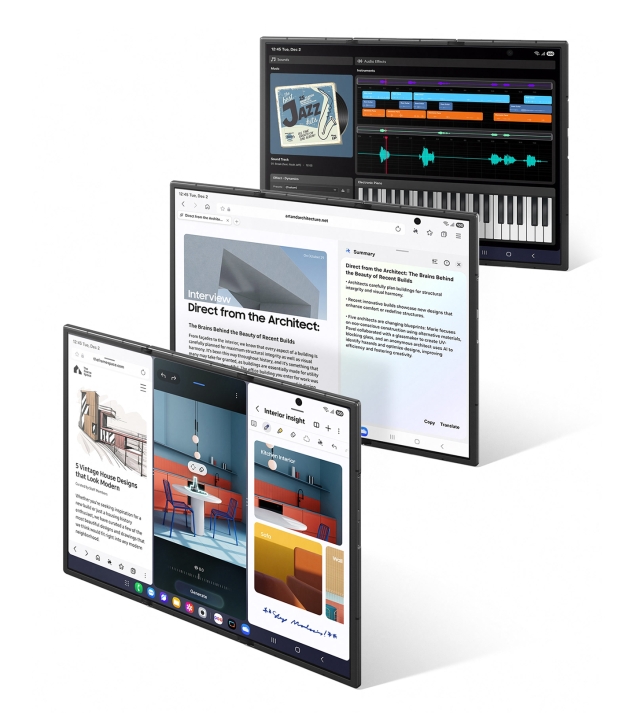
Daily use would likely benefit from the shifts between phone-size and large-view modes. Editing photos, checking documents, and managing multiple apps becomes easier when the screen unfolds into a wider workspace. Then everything closes up again for commutes or quick tasks. This kind of dynamic layout helps the phone feel like it fits into more moments of the day instead of being locked into one shape.
Entertainment also gets a lift from this approach. A wider display can make streaming or casual gaming feel more cinematic without requiring a separate device. Long flights or downtime suddenly work better with a phone that opens into something more immersive. The promise of richer viewing without carrying a tablet has its own pull.
Thinking long-term, foldable and multi-fold phones represent a shift in how we might treat portable devices. Instead of a static shape that stays the same for several product generations, the category leans toward adaptable hardware that grows with different use cases. The TriFold hints at that direction by offering a form that handles focused work, laid-back scrolling, and on-the-go messaging in its own rhythm.
There is also a personal draw to something this flexible. The anticipation of using a device that folds twice creates the same excitement early smartphones once sparked. You can imagine pulling it out during a busy day and adjusting it to whatever task you are in the middle of. That mix of practicality and curiosity makes it easy to keep this concept on the radar.
This earns a place in the Electronics collection because it represents a fresh take on portability. It is the sort of device people want to try for themselves to see how its shape influences their routines. Even before release, the TriFold shows how future phone design might lean toward adaptable screens rather than larger frames.
Pros:
- The multi fold layout offers a larger display without adding much pocket bulk.
- The expanded screen helps with reading, work tasks, and entertainment.
- Its adjustable shape supports different use styles throughout the day.
- The concept feels fresh for people who enjoy trying new phone formats.
Cons:
- The exact release date is still unknown. Sometime early 2026.
- A device with multiple hinges may raise long term durability questions.
- Accessories and cases might be limited at launch.
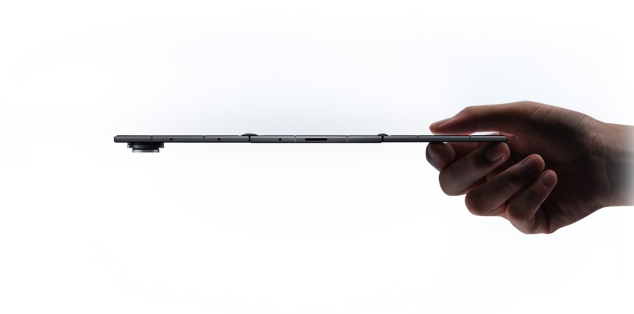
- The folded form could feel thicker than a standard slab phone.
Bottom Line:
The Galaxy Z TriFold stands out as a portable device that can shift between compact and roomy, giving it a practical edge for people who like flexible screen layouts. It looks like a strong pick for anyone who wants a phone that adapts to changing routines.
Tags:
Foldable Phones, Samsung Galaxy Z TriFold, Galaxy Z TriFold, Portable Mobile Devices, Future Phone Design, Multi Fold Smartphones, Foldable Smartphone, AI Phone, Mobile Innovation, Samsung,