The stories that stay with us rarely move in a straight line. As adaptations draw new eyes, they often send devoted readers back to the page, where the emotional core of the story continues to grow.
Lately I have noticed a familiar rhythm in my reading life, one that feels bigger than a single title or a passing phase. A television adaptation sparks conversation, clips circulate, opinions fly, and suddenly readers are reaching backward as much as forward. This book-to-screen loop has become a quiet force in modern reading habits, especially within romance fandom. It reminds us that stories do not move in a straight line anymore. They circle, deepen, and return with new meaning.
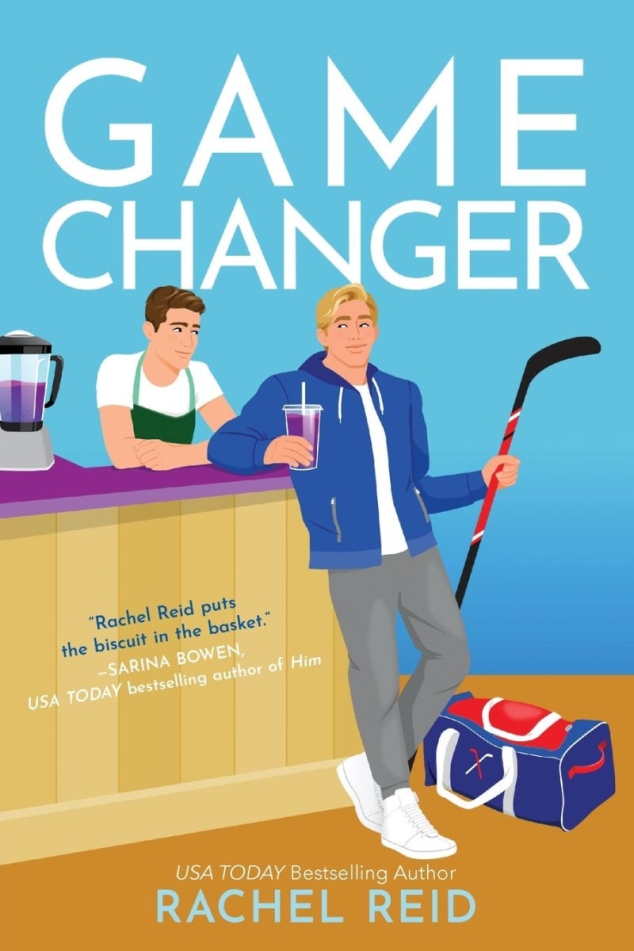
That pattern clicked into focus for me through Heated Rivalry. Even without leaning on plot details, it is clear how much emotional attention this story holds. As discussions around adaptations and casting buzz grew louder, I watched readers around me respond in a very specific way. Instead of only chasing the next release, many went back to where the world began. The renewed interest in Game Changer felt almost inevitable, like a gravitational pull toward the foundation of a beloved universe.
Returning to an earlier book after encountering an adaptation offers a different kind of pleasure than a first read. Familiar moments feel sharper. Character choices land with more weight. Romance readers often talk about comfort rereads, yet this is something slightly different. The screen version or even the idea of it reframes the text in our minds, adding texture without replacing what made the book matter in the first place. The act of rereading becomes an active conversation between formats.
What fascinates me most is how emotional investment grows through this loop. A television adaptation invites collective attention, while reading remains deeply personal. Moving between the two creates a layered attachment. You carry private reactions alongside public discourse, and that combination strengthens the bond to the story. This helps explain why book fandom stays so engaged long after a release date passes. The story keeps finding new doorways back into readers’ lives.
This cycle also reshapes how we define reading momentum. Instead of moving on, readers pause, rewind, and linger. In romance especially, where connection and character intimacy matter so much, that lingering feels purposeful. Revisiting earlier books becomes a way of honoring the emotional groundwork that made later stories resonate. It reinforces a rereading culture that values depth over speed and familiarity over novelty.
There is something reassuring about watching this loop repeat across different book-to-screen adaptations. It suggests that reading remains central, even as formats multiply. Screens may introduce a story to new audiences, yet the book continues to hold authority. For many of us, returning to the page feels like reclaiming the most complete version of the experience, one that leaves room for imagination and quiet reflection.
Looking ahead, I doubt this pattern will fade. As long as adaptations continue to spark curiosity and debate, readers will keep circling back to original texts. The loop works because it mirrors how we form attachments in real life, through revisiting, reconsidering, and seeing familiar things from a new angle. For readers like me, that return trip is part of the joy, and it keeps stories alive far beyond their first moment in the spotlight.
Pros:
- Encourages rereading culture, which deepens emotional connection rather than chasing constant novelty.
- Strengthens book fandom by creating shared conversation across readers and viewers.
- Keeps earlier books relevant, extending the life of a series in a meaningful way.
- Reinforces the value of the original text as the emotional anchor of the story.
- Invites new readers who might discover the book through adaptation buzz.
Cons:
- Can create heightened expectations that some readers bring back to the book.
- Risks overshadowing quieter elements of the text once screen interpretations circulate.
- May pressure readers to consume stories in a specific order or context.
- Can amplify fandom noise, which not every reader wants tied to their reading experience.
Bottom Line:
The book-to-TV loop ultimately works in favour of readers who value emotional depth and lasting connection. While it can complicate how stories are received, it reinforces the idea that a strong book remains central, no matter how many new formats surround it.
Tags:
Heated Rivalry, Game Changer, Book, Romance Book, Books to Screen Adaptation, Sports Romance, LGBTQ Romance Fiction, Comfort Rereads, Rachel Reid