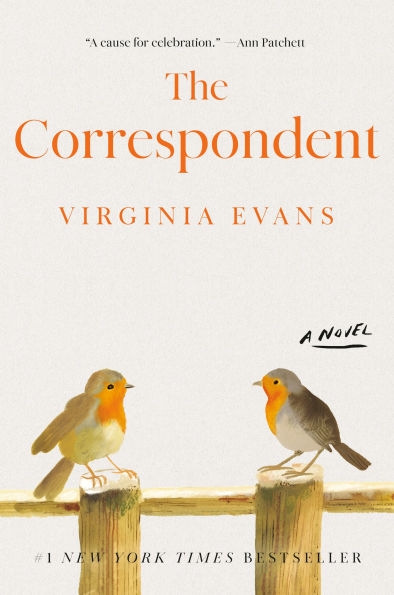
The Correspondent lingers in your thoughts long after the final page, inviting reflection on memory, identity, and the stories we tell ourselves.
Some books entertain you for a weekend, and some books quietly follow you back into your own life. The Correspondent is firmly in the second category. I picked it up expecting a literary novel with a strong voice, but what stayed with me was something harder to describe: the way it made me think about the versions of ourselves we leave behind in conversations, memories, and the things we never quite say out loud. For anyone searching for reflective books that feel intimate without becoming heavy-handed, this novel lands in that rare space where story and self-examination start to blur. Its premise centers on Sybil Van Antwerp, a woman who has long used letters to make sense of the world and her place in it.
What moved me most about The Correspondent novel was not just its setup, but its understanding of how a life is built in fragments. Letters to family, friends, institutions, admired writers, even to someone who never receives them, become more than a narrative device here. They feel like proof that people are always editing, revisiting, protecting, and revealing themselves at the same time. That idea hit me harder than I expected. It made me think about all the ways we narrate our own lives while living them, and how often clarity arrives long after the moment has passed. The Barnes & Noble overview describes the book as an intimate novel about the written word, reconnection, and the perspective that comes from a fully lived life, and that framing feels earned.
This is the kind of introspective fiction that does not need dramatic fireworks to leave a mark. Its power comes from emotional accumulation. The older I get, the more I value books that trust small gestures, private regrets, shifting relationships, and the slow work of understanding yourself. The Correspondent seems to understand that personal reckoning rarely arrives in one clean revelation. It comes in pieces. A memory returns. A silence starts to ache. A person from the past reappears in your thoughts before they ever appear at your door. That texture is exactly why it belongs on any list of books that make you think about your life.
I also loved how much the novel seems invested in reflection without losing wit or warmth. Too many so-called thoughtful books confuse seriousness with emotional distance. This one appears to leave room for intelligence, irritation, tenderness, habit, and contradiction, which is to say it leaves room for a real person. Even the bookseller note on the source page points to that balance, describing it as reflective and funny while focusing on healing, aging, and change. That blend matters. It is what makes literary fiction recommendations feel useful rather than performative, because the reading experience becomes less about admiring a book from afar and more about recognizing yourself somewhere inside it.
What makes The Correspondent memorable for me is that it seems to ask a question many of us avoid: what would our lives look like if gathered into the words we chose to send, save, or never deliver at all? That is such a human premise, and it gives the novel an evergreen relevance that goes beyond one season’s buzz. In an era when so much communication is fast, disposable, and half-formed, a story built around letters feels almost radical in its patience. It reminds me why reflective books continue to matter. They slow your thinking down. They return you to your own unfinished feelings. They make self-reflection feel less like a task and more like an honest part of being alive.
If you are looking for introspective fiction with emotional depth, or browsing literary fiction recommendations that offer more than a clever premise, The Correspondent sounds like the kind of read worth carrying into a quieter weekend. I would place it among those rare books to read when you want more than plot and more than polish. You want recognition. You want language for things you have felt but never fully articulated. Most of all, you want a novel that lingers after the final page, asking you to look back at your own life with a little more honesty, and maybe a little more grace. The source page notes that Sybil must confront a painful period from her past and move toward forgiveness, and that emotional direction helps explain why this story seems built to stay with readers long after they finish it.
Pros:
- Deeply reflective tone that invites personal introspection
- Unique letter-based structure that feels intimate and authentic
- Strong emotional resonance without relying on dramatic plot twists
- Thoughtful exploration of memory, aging, and unresolved relationships
- Appeals to readers who enjoy introspective fiction and literary depth
Cons:
- Slower pacing may not suit readers looking for action-driven storytelling
- Minimal plot momentum compared to more conventional novels
- Heavy focus on internal reflection might feel dense for some
- The epistolary style can take time to fully settle into
Bottom Line:
The Correspondent is a quietly powerful read that stays with you, especially if you gravitate toward reflective books that explore the inner life. It is best suited for readers who value emotional insight and are drawn to books that make you think about your own life long after you finish them.
Tags:
The Correspondent novel, Virginia Evans, reflective books, introspective fiction, books that make you think about your life, literary fiction recommendations, emotional literary fiction, thoughtful book recommendations,