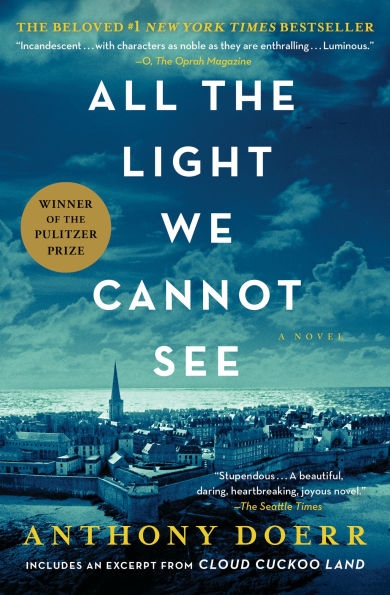
A reflective review of All the Light We Cannot See and why its quiet humanity and beautiful writing continue to resonate with readers.
There are plenty of historical fiction recommendations that impress you with scale, research, or dramatic tension. All the Light We Cannot See stays with people for a different reason. What makes this Pulitzer Prize-winning novel so memorable is how gently it pays attention to ordinary human experience, especially the quiet emotional moments most stories rush past.
That emotional patience is what continues to separate it from so many other best literary fiction books. Anthony Doerr writes with an unusual sensitivity toward small details: the texture of sound, the feeling of isolation inside crowded spaces, the comfort of routines that survive uncertainty. Even years after reading it, I can still remember the emotional atmosphere more clearly than specific plot points. That rarely happens unless a book has genuinely changed the way you notice people.
A lot of emotionally powerful books aim for devastation. This novel reaches something softer and, honestly, more difficult. It understands how loneliness quietly shapes people long before tragedy ever arrives. The characters are not treated like symbols or lessons. They feel vulnerable in deeply recognizable ways, whether they are listening carefully to another person breathe, trying to make sense of silence, or holding onto tiny rituals that make life feel manageable. Those scenes carry an intimacy that many literary novels struggle to achieve.
Part of why this book continues appearing on lists of literary fiction worth reading is the writing itself. The prose is beautiful without feeling ornamental. There is precision in the sensory detail that makes every room, sound, and fleeting interaction feel emotionally charged. Some books with beautiful writing become exhausting because every sentence seems desperate to impress the reader. This one feels observant instead. The language creates emotional closeness rather than distance.
What I find especially moving is the novel’s faith in human connection without becoming sentimental about it. Compassion here is fragile. Brief conversations matter. Shared moments feel temporary and imperfect. Even memory is treated delicately, as something both sustaining and painful. That emotional realism is probably why so many thoughtful book reviews continue revisiting this novel years after publication. Readers do not just admire it intellectually. They carry it with them emotionally.
When people search for books like All the Light We Cannot See, I think they are usually searching for this exact feeling: stories that recognize tenderness without simplifying suffering. The novel never insists that humanity is uncomplicated or inherently noble. Instead, it pays attention to the ways people continue reaching toward one another despite fear, grief, distance, and uncertainty. That perspective feels increasingly rare in modern fiction, which often leans toward irony or emotional detachment.
What ultimately makes this one of the most enduring Pulitzer Prize-winning novels is how quietly it trusts the reader. It does not overwhelm you with dramatic declarations about hope or resilience. It simply allows human moments to accumulate until they become unforgettable. Long after finishing the final page, what remains is not spectacle, but atmosphere: a sense of fragile beauty existing inside ordinary acts of care, attention, and survival.
Pros:
- Exceptionally beautiful prose that feels immersive without becoming overly decorative
- Deep emotional resonance built through subtle, human moments rather than forced drama
- Rich sensory detail that creates an unforgettable atmosphere
- Thoughtful exploration of loneliness, memory, compassion, and connection
- Characters feel emotionally authentic and quietly complex
- One of the strongest examples of literary historical fiction that remains accessible to general readers
- The pacing encourages reflection and emotional investment instead of constant plot urgency
- Continues to reward rereading because so much meaning exists beneath the surface
Cons:
- Readers looking for fast-paced historical fiction may find parts of the novel slow
- The understated emotional style may feel too restrained for people who prefer more direct emotional payoff
- Some narrative shifts and descriptive passages require patience and close attention
- The novel’s atmosphere often takes priority over momentum, which will not work for every reader
- Because the emotional impact is cumulative, it may not immediately hook readers expecting high-intensity storytelling
Bottom Line:
All the Light We Cannot See remains one of the most emotionally powerful books I’ve read because it understands how ordinary human tenderness can feel monumental during difficult moments. Anthony Doerr creates a world built less on spectacle and more on attention: attention to sound, memory, isolation, kindness, and the fragile ways people reach toward one another. For readers searching for literary fiction worth reading, beautifully written historical fiction, or books that linger emotionally long after the final page, this novel still earns every recommendation it receives.
Tags:
All the Light We Cannot See review, Anthony Doerr, best literary fiction books, Pulitzer Prize-winning novels, emotionally powerful books, literary fiction, historical fiction recommendations, books like All the Light We Cannot See