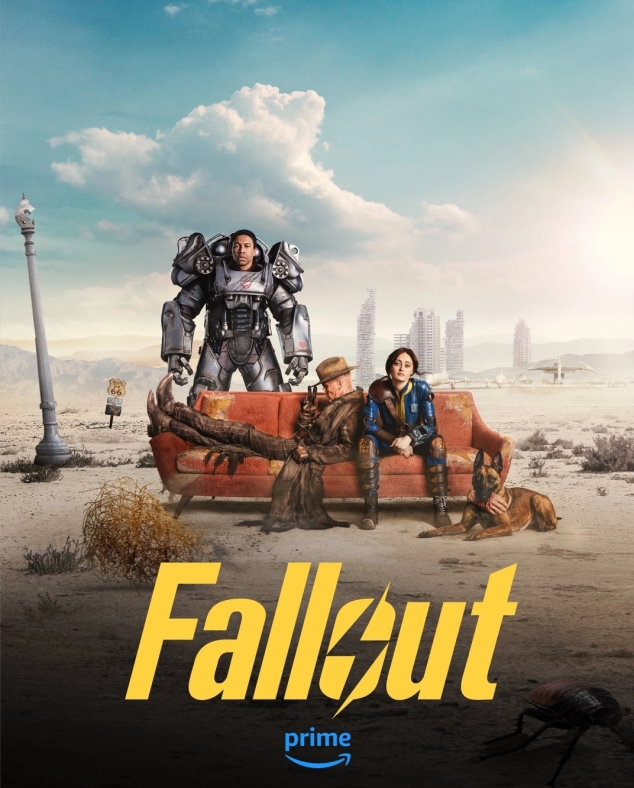
A sharp mix of dark humor, layered storytelling, and retro-futuristic style makes Fallout one of the most distinct and rewatchable post-apocalyptic shows right now.
The Fallout TV series stands out because it refuses to treat the apocalypse as purely bleak or purely heroic. It leans into contradiction, blending sharp satire with genuine emotional stakes in a way that feels specific rather than familiar. That balance is what makes Fallout feel distinct in a genre that often drifts toward sameness.
What makes Fallout different starts with tone. Most post-apocalyptic stories settle into a narrow emotional range, usually grim survival with brief flashes of hope. Fallout moves more freely. One moment carries tension or brutality, the next lands a dry, almost absurd punchline that somehow fits the world instead of breaking it. That tonal elasticity reflects the DNA of the original games, but it also gives the show a rhythm that feels unpredictable and alive. It keeps the audience slightly off-balance, which is exactly where a story like this should live.
The world-building plays a huge role in why Fallout is worth watching. Instead of a generic wasteland, the series builds a layered society shaped by retro-futuristic ideals that never quite worked out. The visual identity matters here. Vaults feel sterile and controlled, while the surface world is chaotic and improvised. That contrast is more than aesthetic. It becomes a storytelling engine, constantly questioning which version of “civilization” actually makes sense. The attention to detail makes every location feel intentional, which strengthens immersion without relying on exposition.
The cast is another reason this Fallout TV series review leans so positive. Ella Purnell brings a grounded curiosity to Lucy that anchors the story emotionally. Her performance gives the audience a way into the world without feeling naïve or overly polished. Walton Goggins, as the Ghoul, delivers something far more layered than a typical antihero. There’s menace, humor, and a strange kind of weariness that makes every scene feel charged. Aaron Moten adds another perspective through Maximus, showing how belief systems evolve when survival is on the line. Together, they create a dynamic that keeps the narrative shifting rather than settling.
Another factor that sets Fallout apart is how it handles morality. The show avoids clean lines between right and wrong, which gives its choices more weight. Characters make decisions based on incomplete information, personal bias, or desperation, and the consequences tend to linger. That approach feels closer to reality than the usual heroic arcs seen in the best post-apocalyptic shows. It invites the viewer to sit with discomfort rather than resolve it quickly.
There’s also a strong current of satire running underneath everything. Fallout isn’t just about survival after disaster. It quietly critiques the systems and ideologies that led to that disaster in the first place. The retro-futuristic aesthetic plays into that, presenting a version of the future that feels frozen in outdated optimism. That tension between idealism and reality adds depth without turning the show into commentary first and entertainment second.
Rewatch value is where Fallout really separates itself. Small details in the background, subtle character choices, and layered dialogue reveal more on a second pass. The storytelling rewards attention without demanding it, which makes it accessible while still offering depth for those who want to dig in. That balance is hard to achieve and even harder to maintain across episodes.
In the end, why Fallout is worth watching comes down to how confidently it owns its identity. It doesn’t chase trends within the genre. It builds its own lane through tone, character work, and world design that feels fully realized. That sense of purpose is what gives it staying power, and it’s what makes it stand out long after the initial watch.
Pros:
- Distinct tone that blends dark humor with real stakes, making it feel fresh within the genre
- Rich, retro-futuristic world-building that gives every setting a clear identity
- Strong performances from Ella Purnell, Walton Goggins, and Aaron Moten that elevate the material
- Morally complex storytelling that avoids predictable character arcs
- Subtle satire that adds depth without overwhelming the narrative
- High rewatch value thanks to layered details and character nuance
Cons:
- Tonal shifts between humor and violence may not work for every viewer
- Some pacing inconsistencies as the story moves between multiple perspectives
- Certain plot threads feel less developed compared to the main arcs
- The stylized world may feel unusual if you prefer grounded realism
Bottom Line:
Fallout stands out by fully committing to its identity, combining sharp writing, memorable performances, and a world that feels both strange and believable. It’s one of the best post-apocalyptic shows right now for viewers who want something with personality and staying power, not just another survival story.