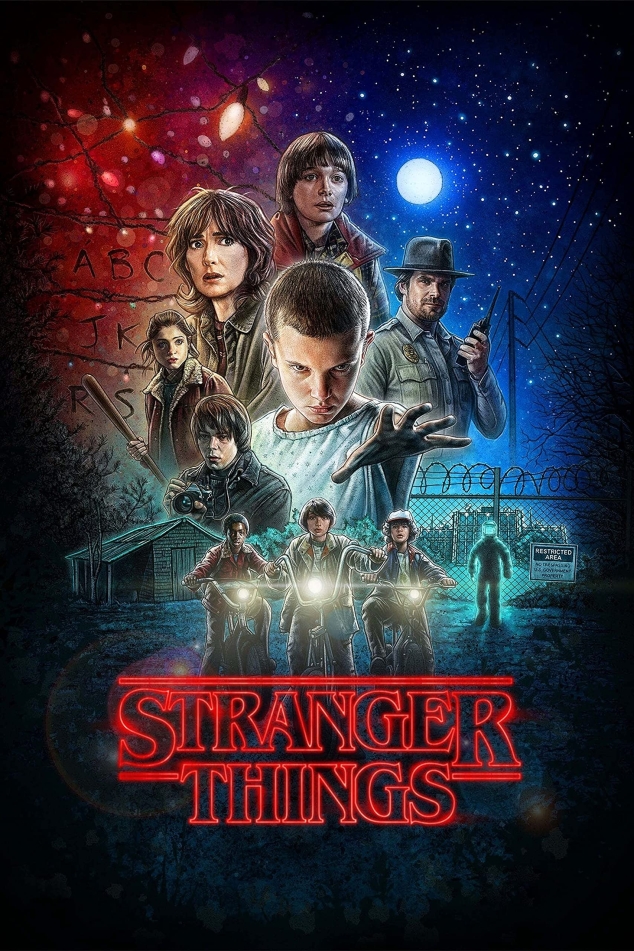
From supernatural nightmares to deeply human relationships, this series proves that fear hits harder when it’s rooted in love, loyalty, and loss. Here’s why its balance of horror and heart continues to set it apart from the rest.
There are plenty of series that can scare you. There are fewer that can scare you and then quietly break your heart in the same hour. What keeps pulling me back to Stranger Things is not the Demogorgons or the Upside Down. It is the way the show threads fear through friendship, grief through loyalty, and spectacle through deeply human stakes. The real magic of Stranger Things horror and heart is that the terror never exists on its own. It is always tethered to someone we care about.
From its first season, the series made it clear that the monsters were only part of the story. The disappearance of Will Byers was terrifying, but it was Winona Ryder’s Joyce Byers, frantic and disbelieved, who grounded the fear in something painfully real. Her desperation was not campy or exaggerated. It felt maternal and raw. That emotional authenticity gave weight to every flickering lightbulb and every eerie sound in the woods. When people ask why Stranger Things is so popular, I point to that balance. The horror hooks you, but the relationships make you stay.
The show’s commitment to Stranger Things character development is what elevates it beyond genre entertainment. Millie Bobby Brown’s Eleven could have been a one-note supernatural weapon. Instead, she becomes a study in identity and belonging. Her evolution from isolated experiment to fiercely loyal friend, and eventually to a young woman grappling with trauma and autonomy, gives the series emotional gravity. Her bond with Finn Wolfhard’s Mike Wheeler feels awkward and sincere in the way first love often does. It is not polished. It is tentative, sometimes messy, and that makes it believable.
David Harbour’s Jim Hopper is another example of how the show blends brutality with vulnerability. Hopper begins as a worn-down small-town police chief carrying private grief. Over time, he becomes a reluctant father figure, a man forced to confront both external monsters and his own emotional defenses. His connection with Eleven is not sentimental. It is complicated by anger, fear, and genuine care. That tension gives their scenes depth that many so-called best horror TV shows with emotional depth attempt but rarely achieve with this consistency.
What fascinates me most in any serious Stranger Things genre analysis is how seamlessly it shifts tones. One moment, Gaten Matarazzo’s Dustin Henderson is delivering comic relief with sharp timing and genuine warmth. The next, Sadie Sink’s Max Mayfield is confronting depression and survivor’s guilt in one of the most haunting storylines the series has produced. Max’s arc, particularly in later seasons, reframes the show’s horror as internal as much as supernatural. The Upside Down becomes a metaphor for the darkness that can take root inside someone after loss.
The friendships at the center of the series are not treated as background decoration. They are the engine of the narrative. The boys’ loyalty to one another, the evolving dynamic between Eleven and Max, and the way the group fractures and reforms over time all mirror real coming-of-age shifts. These characters grow apart, argue, make mistakes, and still show up when it matters. That moral courage, the choice to protect each other even when terrified, gives the show a core of hope that offsets its bleakest imagery.
Family dynamics add another layer of emotional resonance. Joyce’s refusal to accept easy explanations, Hopper’s flawed attempts at fatherhood, and the Wheeler household’s quiet domestic tensions create a backdrop that feels lived in. The supernatural may be extraordinary, but the conflicts inside kitchens and living rooms are not. That grounding is part of why the series has cultural staying power. It does not rely solely on shock value. It invests in long-term arcs that reward attention and emotional investment.
Years after its debut, Stranger Things continues to trend because it understands that spectacle without soul fades quickly. Its fusion of sci-fi, horror, and heartfelt drama feels deliberate rather than opportunistic. The monsters evolve, the mythology expands, but the emotional throughline remains steady. For me, that is why it earns a permanent spot as a favorite. It respects the intelligence of its audience while honoring the vulnerability of its characters. In a landscape crowded with content, that balance of horror and heart still feels rare, and it is the reason I keep returning to Hawkins.
Pros:
- Strong emotional core that makes the horror feel personal rather than purely spectacle-driven
- Rich Stranger Things character development across multiple seasons
Standout performances from Millie Bobby Brown, David Harbour, Winona Ryder, and Sadie Sink
- Balances sci fi mythology with grounded themes like grief, friendship, and moral courage
- Memorable ensemble chemistry that gives the series lasting cultural impact
- High rewatch value due to layered storytelling and character arcs
Cons:
- Expanding mythology can feel dense for casual viewers
- Longer episode runtimes in later seasons may test pacing
- Large ensemble sometimes means certain characters get less focus
- Heightened spectacle occasionally overshadows quieter moments
Bottom Line:
Stranger Things succeeds because its horror always serves the characters. The monsters matter, but the emotional stakes matter more. That balance of fear and feeling is why it remains one of the best horror TV shows with emotional depth, and why it continues to resonate long after the initial buzz fades.
Tags:
Stranger Things, why Stranger Things is so popular, Stranger Things character development, best horror TV shows with emotional depth, Stranger Things genre analysis, coming of age horror series, Netflix sci fi horror drama, Best TV shows