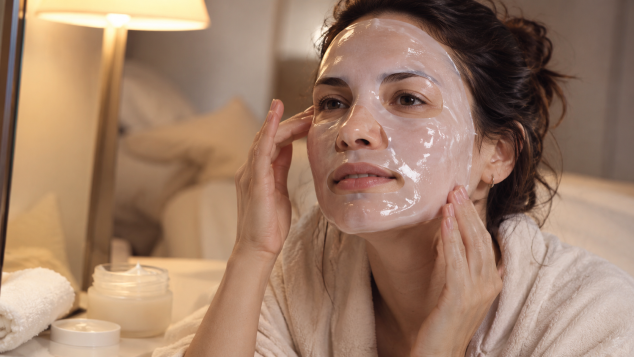
Overnight collagen masks promise plumper, smoother skin by morning, but can they actually boost collagen production? Here's what happens to your skin while you wear one and whether the results are worth the money.
Overnight collagen masks can leave your skin looking noticeably plumper, smoother and more hydrated by morning, but there is little convincing scientific evidence that the collagen in these masks significantly increases your skin's natural collagen production. Much of their appeal comes from intensive surface hydration and temporarily reducing moisture loss. I've become increasingly interested in the science behind Korean skincare, particularly products that promise visible improvements while you sleep. The overnight collagen mask caught my attention because the results often look surprisingly impressive, especially in those before-and-after photos showing a glossy, almost poreless complexion. However, when a skincare product promises to restore collagen in a matter of hours, I start paying considerably more attention to the ingredient list than the packaging. Fortunately, there are some genuinely worthwhile benefits to these masks, provided you understand what you're buying.
There are several types of overnight collagen masks, and the differences are worth understanding before choosing one. A Korean collagen hydrogel mask consists of a soft, water-rich polymer gel infused with cosmetic ingredients. Products such as the Biodance Bio-Collagen Real Deep Mask are designed to remain on the face for several hours or overnight, maintaining prolonged contact with the skin. An overnight collagen wrapping mask, such as Medicube's Collagen Night Wrapping Mask, comes in a spreadable formula that dries into a thin, removable film, helping limit moisture loss while you sleep. Conventional sleeping masks generally have a cream or gel consistency and remain on the skin much like a richer nighttime moisturizer. Each format approaches hydration a little differently. Personally, I find the concept of a wrapping mask particularly interesting for someone who dislikes the feeling of a sheet shifting around their face during the night, although a conventional sleeping mask may be the more comfortable and economical choice for everyday use.
The science behind topical collagen for skin becomes interesting when you consider molecular size. Collagen is a structural protein that contributes to the skin's firmness and resilience, with much of it located in the dermis beneath the epidermis. Intact collagen molecules are generally too large to pass effectively through the stratum corneum, the skin's outermost protective layer. When applied topically, collagen primarily acts as a moisturizing and film-forming ingredient. Hydrolyzed collagen in skincare has been broken down into smaller peptides, some of which may penetrate the outer skin layers more readily, depending on their size and the formulation. Reaching those layers alone does not establish that the peptides stimulate fibroblasts, the cells responsible for producing collagen in the dermis. Some specially formulated collagen derivatives have shown promising results in cosmetic research, although those findings cannot automatically be applied to every collagen face mask. I'd be particularly cautious about products advertising exceptionally small collagen molecules without providing credible human research demonstrating increased collagen synthesis.
One of the most fascinating features of a collagen hydrogel mask is its gradual transformation from an opaque sheet into something almost transparent. So, why do collagen masks turn transparent? As the mask sits against the skin, moisture can transfer into the outer skin layers while some water evaporates into the surrounding air. Changes in the hydrogel's water content, thickness and internal structure can alter how light passes through the material, making certain formulations appear clearer over time. The precise mechanism depends on the product's composition, and transparency alone cannot establish how much collagen has penetrated the skin. The more dependable collagen face mask benefits include improved hydration, temporary plumping and a smoother-looking complexion. When the outer skin cells absorb water, they swell slightly, making fine dehydration lines less noticeable. As for how long collagen mask results last, the visible improvements may persist for several hours and potentially into the following day, depending on the formulation, skin condition, humidity and subsequent skincare. Independent research establishing a reliable duration for overnight collagen masks remains limited, so I would treat multi-day hydration promises with caution.
When shopping for a hydrating overnight face mask, I'd actually prioritize glycerin and hyaluronic acid over the advertised collagen concentration. Both are humectants that help increase water content in the outer skin layers, with glycerin having a particularly well-established reputation as an effective moisturizing ingredient. Ceramides are another welcome addition because they help maintain the lipid barrier responsible for limiting excessive water loss. Niacinamide, a form of vitamin B3, supports skin barrier function and may improve uneven pigmentation with consistent use. Certain cosmetic peptides have also demonstrated potential for supporting collagen-related processes, although their effectiveness depends heavily on their specific composition and delivery system. The word "peptides" on an ingredient list offers very little information on its own. If you're considering a collagen mask for fine lines, a well-formulated combination of moisturizing and barrier-supporting ingredients is likely to offer the most dependable immediate improvement. I'd also favour fragrance-free formulations, especially given how long these products remain in contact with the skin.
An effective overnight collagen mask skincare routine can be refreshingly simple. Begin with a gentle cleanser, followed by an optional hydrating toner and serum. Depending on the product instructions, you can apply a hydrogel mask after your serum or complete your routine with moisturizer before placing the mask over your skin. Peel-off wrapping masks typically go on last and may require around 15 minutes to dry before bedtime, while conventional sleeping masks can sometimes replace your regular nighttime moisturizer. Extended-wear hydrogel masks may recommend three to four hours or overnight application, whereas ordinary sheet masks should be removed within their much shorter recommended wear time. I'd start with once or twice a week and adjust according to how comfortably the skin responds. Because covering the skin can increase the penetration of certain ingredients, I would generally avoid layering retinol, strong exfoliating acids or benzoyl peroxide underneath an overnight mask unless specifically advised otherwise by a dermatologist. Anyone with sensitive skin should patch-test a new formulation, and a mask that causes burning, itching or persistent discomfort should be removed immediately. Sleeping in a skincare product should never require tolerating irritation.
Ultimately, do collagen masks work well enough to justify buying them? I think they can be a lovely occasional addition for dehydrated skin, particularly during colder months or before an event when you want your complexion to look especially refreshed. For long-term collagen support, however, my skincare budget would favour retinoids and daily broad-spectrum SPF 30 or higher sunscreen. Retinoids, particularly prescription tretinoin, have substantially stronger evidence for stimulating collagen production and improving photoaged skin. Sunscreen helps protect existing collagen from ultraviolet-induced degradation, while a well-formulated vitamin C serum can support collagen synthesis and provide antioxidant protection. Those benefits develop through consistent skincare habits over time. I'd happily consider an overnight collagen mask for an extra dose of hydration when my skin needs it, although I would struggle to justify an expensive single-use mask every evening when a good moisturizer could provide similar everyday benefits. With realistic expectations, overnight collagen masks have plenty of appeal. Their greatest selling point may simply be how good well-hydrated skin can look by morning.
Pros:
- Provides intensive hydration and temporarily plumps the skin.
- Softens the appearance of fine dehydration lines.
- Leaves skin looking smoother, fresher and more radiant by morning.
- Helps reduce moisture loss during sleep.
- Can contain beneficial ingredients such as hyaluronic acid, glycerin and ceramides.
- Offers a convenient overnight treatment for dry or dehydrated skin.
- Makes a worthwhile occasional treatment before special events.
Cons:
- Limited scientific evidence that topical collagen stimulates natural collagen production.
- Visible plumping and smoothing effects are temporary.
- Marketing claims can exaggerate collagen absorption and anti-aging benefits.
- Prolonged wear may cause irritation, particularly for sensitive skin.
- Hydrogel masks can shift or feel uncomfortable during sleep.
- Single-use masks can become expensive and create unnecessary waste.
- A well-formulated moisturizer may provide comparable hydration.
Bottom Line:
I think overnight collagen masks deserve a place in an occasional skincare routine, particularly when skin feels dehydrated or looks a little dull. Their hydrating and temporary plumping benefits are genuinely appealing, although I wouldn't purchase one expecting lasting improvements in collagen production. For long-term skin health, I'd prioritize a good moisturizer, retinoids and daily sunscreen. An overnight collagen mask is a lovely skincare indulgence when the price is reasonable and the ingredient list offers something worthwhile.
Tags:
overnight collagen mask, Korean collagen mask, do collagen masks work, collagen hydrogel mask, overnight collagen wrapping mask, collagen face mask benefits, do collagen masks boost collagen production, topical collagen for skin