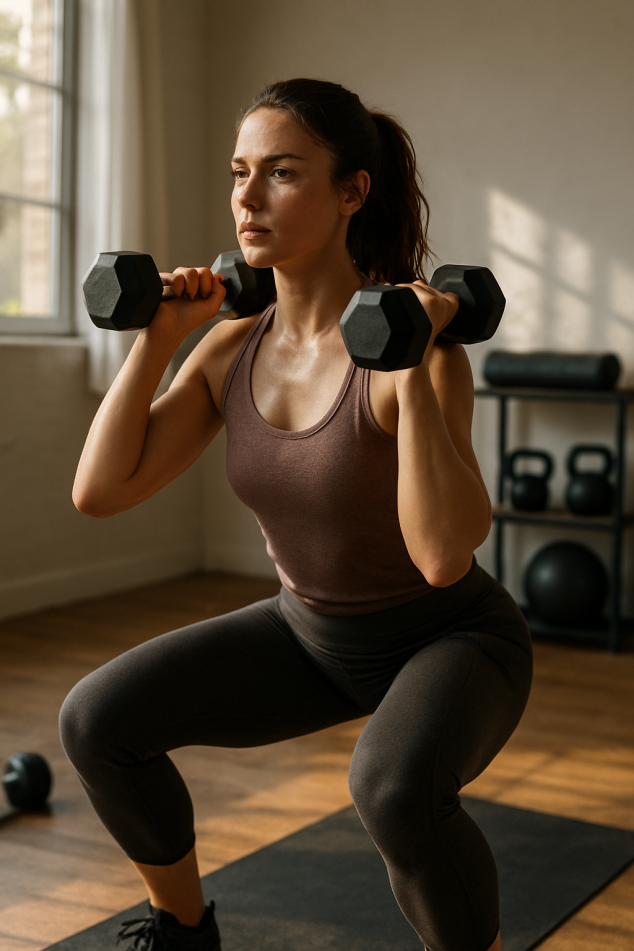
When motivation disappears, I rely on one small trick to keep moving, starting small and focusing on how it makes me feel. This simple shift turned fitness into a lifestyle I can sustain.
There are days when I wake up ready to conquer the gym, playlists lined up, energy high, motivation on fire. And then there are the other days, the ones when even rolling out of bed feels like a workout. Over the years, I’ve learned that what separates the “fit people” from the rest of us isn’t endless enthusiasm or iron discipline. It’s something smaller, quieter, and far more sustainable: the habit of showing up imperfectly and finding joy in the smallest wins.
My favorite way to stay motivated when I don’t feel like working out isn’t about guilt or the “no pain, no gain” mindset. It’s about lowering the bar just enough so that movement still feels accessible. On days when I’m dragging, I tell myself, “Just start for five minutes.” That’s it. Five minutes of stretching, walking, or doing a few squats while waiting for my coffee. Most of the time, once I begin, momentum takes over. It’s not about tricking myself; it’s about giving my brain permission to start small. Consistency, I’ve realized, has less to do with grand motivation and more to do with gentle momentum.
There was a time when I treated fitness like an all-or-nothing project. Either I crushed a full 60-minute session or skipped it altogether. That mindset led to burnout, the kind where you disappear from your own workouts for weeks because the pressure to “do it right” feels too heavy. What changed for me was realizing that fitness doesn’t have to be dramatic to be meaningful. Some days, it’s a long run. Other days, it’s stretching on the living room floor while watching Netflix. Every bit of movement counts. Once I stopped judging my effort, I started actually enjoying it again.
The trick that keeps me going long-term is tying workouts to how they make me feel afterward rather than how they make me look. I remind myself that movement clears my mind, lifts my mood, and helps me handle stress better than anything else. When I focus on those benefits such as mental clarity, reduced anxiety, and better sleep, I don’t need to rely on motivation as much. The reward becomes internal. It’s not about chasing perfection; it’s about protecting my peace.
Another game changer is making my workouts part of my lifestyle instead of a separate event. I’ll walk while taking phone calls, stretch before bed, or bike to do errands. By integrating movement into my daily routine, I don’t have to summon a burst of motivation each time. Fitness becomes as natural as brushing my teeth, something I just do because it makes me feel good. And when I inevitably lose steam, I remind myself that rest isn’t failure; it’s fuel for consistency.
Over time, I’ve realized that staying active isn’t about being endlessly inspired; it’s about creating an environment that supports your best self. That might mean keeping your workout clothes visible, finding a playlist that makes you feel unstoppable, or joining a community that cheers you on. The goal isn’t to be perfect; it’s to stay connected to why you move. That “why,” whether it’s mental health, confidence, or longevity, is what keeps you going when motivation fades.
So if you ever find yourself in a slump, start small. Move for five minutes. Take a walk, stretch, breathe. You might be surprised how much better you feel, not because you forced yourself to work out, but because you chose to honor your body in the moment. That’s the real secret to lasting fitness motivation: showing up with compassion, not pressure.
Pros:
- Encourages a realistic, sustainable approach to fitness
- Reduces guilt and pressure around “perfect” workouts
- Builds long-term consistency through small daily actions
- Improves mental health and mood, not just physical fitness
- Easy to adapt to any schedule or fitness level
Cons:
- Progress may feel slower compared to intense training programs
- Requires patience and self-awareness to avoid slipping into excuses
- Lacks the immediate “high” of big performance goals
Bottom Line:
Focusing on small, consistent movement instead of waiting for motivation is the most sustainable way to stay active. By shifting your mindset from perfection to presence, you build habits that last, and fitness becomes something you look forward to, not something you fight against.
Tags:
Workout Motivation, Fitness Mindset, Exercise Consistency, How To Stay Motivated To Work Out, Fitness Tips, Motivation To Exercise, Staying Active, Healthy Lifestyle Habits, Mental Health And Fitness, Daily Movement Motivation