Wearable AI is moving past novelty and into everyday relevance. Project Motoko hints at a future where intelligence sits quietly alongside how we see, hear, and move through the world.
When I think about the next real shift in how we use technology, I keep coming back to wearable AI. Screens already follow us everywhere. What feels different now is the idea of intelligence sitting at eye level, listening, seeing, and responding in real time without asking for constant input. Razer’s Project Motoko, shown as a concept at Consumer Electronics Show, landed for me less as a gadget and more as a preview of how computing quietly moves closer to our senses.
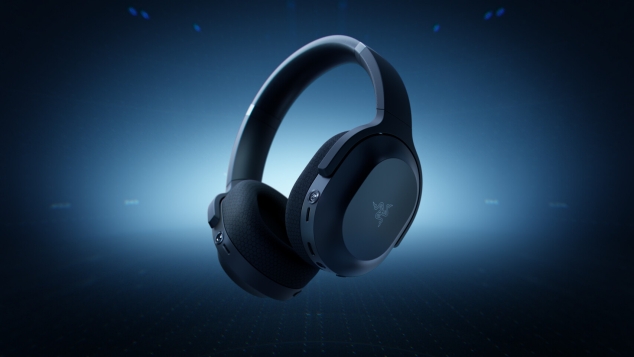
Project Motoko is still a concept, and that matters. It gives room to focus on intent rather than specs. A lightweight headset that combines a point of view camera, contextual audio awareness, and an AI layer designed to work across platforms points to a future where interaction feels less deliberate. I imagine walking through a new city, glancing at a sign, and getting subtle context without pulling out a phone or breaking stride. That kind of flow feels useful in a way that does not age quickly.
What stands out to me is how wearable AI reshapes attention. Instead of asking users to stop and query a device, the system reacts to what the wearer is already doing. Visual cues, ambient sound, and situational awareness become inputs. This has implications well beyond convenience. Learning environments, job sites, and travel all benefit from assistance that arrives in the moment rather than after a search. That shift changes habits in ways that stick.
Gaming makes the idea easier to picture, which fits Razer’s roots, but the relevance stretches much further. Hands-free interaction means instructions while building something, translation during conversation, or quiet prompts during a presentation. These are small moments that add up across a day. They also avoid novelty fatigue because they solve recurring friction rather than creating new behavior to learn.
I also keep thinking about how this approach feeds machine learning and robotics over time. A wearable AI system that sees and hears from a human perspective gathers context that static devices never could. Even with privacy handled responsibly, that perspective helps models understand the physical world better. It becomes a bridge between digital reasoning and real environments, which is essential if intelligent systems are going to feel genuinely helpful.
The reason I believe wearable AI has staying power is simple. It aligns with how people already move, look, and listen. Project Motoko does not feel like a promise of spectacle. It feels like a quiet adjustment to where intelligence lives. Concepts like this tend to age well because they focus on presence and relevance rather than novelty.
I do not see Project Motoko as something to wait for or judge as a finished product. I see it as a signal that wearable AI is settling into a role that makes sense long term. When technology meets people where they already are, it usually stays.
Pros:
Wearable AI supports hands-free interaction that fits naturally into daily movement and work. Contextual awareness from vision and audio allows assistance to arrive at the right moment. A head-worn form factor reduces reliance on phones without asking for new habits. Cross-platform intent suggests flexibility across tasks like travel, learning, and gaming.
Cons:
Comfort and social acceptance will matter as much as capability. Privacy expectations around always-on sensors need careful handling. Battery life and heat management remain practical constraints for all head-worn devices. Clear value must be delivered quickly to avoid feeling intrusive.
Bottom Line:
Wearable AI shows lasting potential because it aligns with how people already operate in the world. Project Motoko reads as a thoughtful signal of that direction, pointing toward intelligence that feels present and useful rather than demanding attention.
Tags:
wearable AI, Project Motoko, AI headset, Razer Project Motoko, wearable technology, AI glasses alternative, hands-free AI, AI vision headset, CES 2026 tech, future of wearable AI