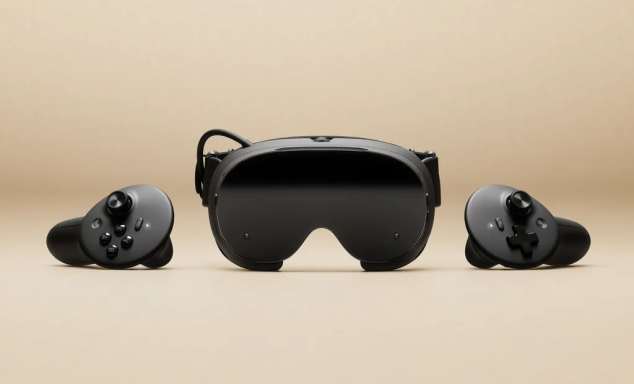
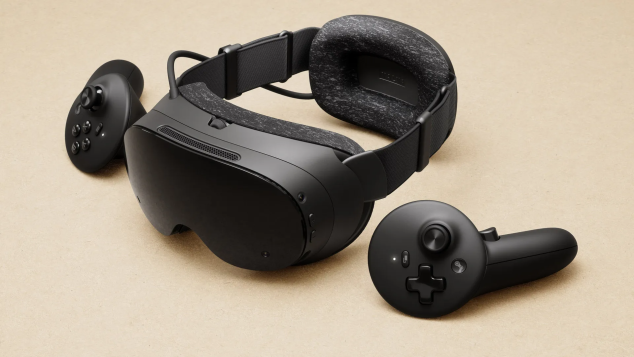
The Steam Frame delivers the power and portability standalone VR has always needed. It finally feels like a headset that brings everyday convenience and true PC level immersion together.
For years I’ve been dabbling in virtual reality: early tethered rigs, standalone headsets, mixed reality experiments, all of it. Each one had promise. But every time I pulled one out something felt off. Either the performance lagged behind what I expected, or the setup was too clunky, or I was wired to a cable that killed the freedom I hoped to have. Standalone VR often ended up feeling underpowered, like a compromise instead of a full experience.
Then I tried the Steam Frame and suddenly things clicked. It blends power, portability, and Steam integration in a way that actually makes sense for everyday use.
What really stands out:
Performance meets convenience. The Frame runs on a Snapdragon 8 Gen 3 chipset and 16 GB of RAM. For a standalone headset that is not tethered to a gaming PC, it is a serious leap. It still will not match a high end PC in raw graphics, but the way it lets you shift between standalone and PC VR modes makes it a huge step forward.
Seamless PC VR integration. One of my long time frustrations is that when standalone headsets try to stream PC VR, it often feels like a downgrade. With the Frame, there is a built in wireless PC adapter that uses a dedicated 6 GHz WiFi 6E hotspot for streaming to your PC. The idea of truly wireless PC VR has been around for a while, but the Frame feels like someone finally decided to do it properly. You get the convenience of standalone and the full muscle of your PC whenever you want it.
True portability. The weight is worth pointing out. The front core is around 185 g and the whole setup is about 440 g. That does not make it invisible, but compared to many bulky headsets it feels remarkably light. I found myself actually reaching for it instead of leaving it stored away.
Steam ecosystem with real flexibility. It runs a VR friendly version of SteamOS and supports Linux and Windows apps through Proton. That means you are not locked into a tiny curated store. If you already have a Steam library, the Frame feels instantly worthwhile. Hardware feels more valuable when you can use what you already own.
Room to grow. The modular design, including an expandable front port, signals that this is more than a one off headset. It feels like a platform that can grow and adapt over time. That makes it easier to invest in and even more exciting to explore.
There are still limits. Some games will always push the boundaries of what standalone hardware can do. Wireless streaming also depends on the quality of your network. But compared to the compromises I have accepted in the past, the Steam Frame does not make me feel like I am settling.
In short, I am genuinely excited. It is the kind of tech that makes me actually use VR instead of just owning VR. From quick casual play to deep PC VR sessions, it covers more ground in a practical and enjoyable way.
It has earned a spot as my new favorite piece of VR gear.
Pros:
- Strong standalone performance that feels closer to PC quality
- Seamless switch between standalone mode and wireless PC VR
- Lightweight design that makes longer sessions more comfortable
- Runs SteamOS with access to your existing Steam library
- Flexible, modular design that feels built to grow over time
- Portable enough to grab and use without a big setup
Cons:
- Still cannot match a powerful gaming PC for the most demanding titles
- Wireless PC streaming depends on network stability
- Some users may prefer a fully wired option for zero latency
- Standalone battery life may feel limiting during extended sessions
Bottom Line:
The Steam Frame is the first standalone headset that truly feels like a practical, everyday VR device. It blends portability, real performance, and PC integration in a way that finally makes standalone VR feel complete.
Tags:
Steam Frame VR, Valve VR Headset, Standalone VR 2026, PC VR Streaming, SteamOS VR, Wireless PC VR, Virtual Reality Headset Review, VR Gaming Setup, Portable VR Device, Next Gen VR Tech