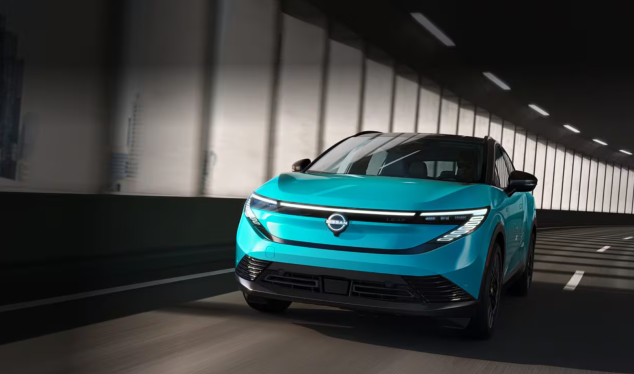
The redesigned 2026 Nissan LEAF combines city-friendly dimensions with useful range, flexible cargo space, and crossover practicality.
The most convincing part of the 2026 Nissan LEAF is its refusal to grow into another oversized family vehicle. Nissan has redesigned the LEAF as a five-seat electric crossover measuring 173.4 inches long, 71.3 inches wide, and 61.3 inches tall. Those dimensions place it comfortably within the small-SUV conversation while preserving the tidy footprint that made earlier versions approachable. For drivers searching for a 2026 Nissan LEAF small SUV, the new shape feels like a sensible response to a market where compact models keep becoming wider and harder to place in crowded parking lots.
That modest size should prove useful every time the car enters a cramped garage, slips into a curbside space, or works through a busy downtown intersection. A 105.9-inch wheelbase helps keep the body manageable, and Nissan equips every U.S. trim with its HD Enhanced Intelligent Around View Monitor. Rear parking sensors are standard on the S+, while the SV+ and Platinum+ add front sensors as well. Camera assistance cannot make a large vehicle smaller, yet it becomes especially effective when paired with city-friendly dimensions. The LEAF should feel far less cumbersome than the broad, tall SUVs many people buy for passenger space they rarely use.
The electric powertrain also suits the way a small crossover is likely to be driven. Every U.S. version uses front-wheel drive, a 75-kWh battery, and a 214-horsepower motor producing 261 lb-ft of torque. EPA-estimated range varies with equipment: 303 miles for the S+, 288 miles for the SV+, and 259 miles for the Platinum+. That gives commuters enough flexibility to handle several days of ordinary driving between charges, while the immediate response of an electric motor should make short gaps in urban traffic easier to use. It also turns grocery runs and school pickups into quiet, straightforward trips without warm-up time or fuel-station stops.
Charging is much better aligned with current EV ownership than it was on earlier LEAF generations. The 2026 Nissan LEAF has a 7.2-kW onboard charger, a J1772 connection for Level 1 and Level 2 AC charging, and a built-in NACS port for DC fast charging. Nissan estimates approximately 6.5 hours to move from 20 to 80 percent on 240-volt AC power and about 30 minutes under suitable conditions with a 150-kW DC charger. A 120/240-volt portable charging cable is included as factory equipment in the U.S., so it should not be confused with an optional Nissan LEAF accessory. Plug & Charge support and direct compatibility with Tesla Superchargers also make this Nissan LEAF electric crossover easier to take beyond its usual commute.
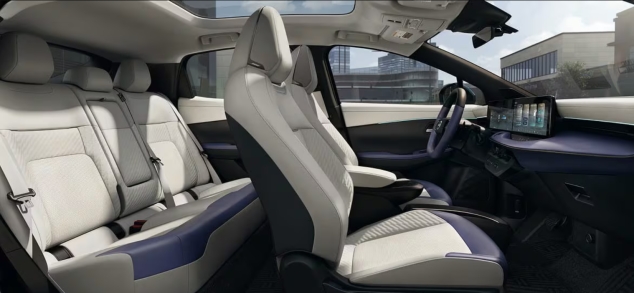
Inside, the LEAF makes a strong case as a practical compact EV rather than a commuter pod with occasional rear seats. It carries five people and offers 92.3 cubic feet of passenger volume without the available glass roof. Front legroom measures a generous 42.4 inches, although the listed 31.8 inches in the rear suggests taller adults may prefer shorter journeys. The crossover-style body gives the cabin a more upright, accessible character, while the standard 60/40-split rear seat lets owners trade passenger capacity for cargo room as needed. Cargo volume is 20 cubic feet with the rear seat raised and 55.5 cubic feet with it folded, enough for weekly groceries, luggage, or bulky purchases that would overwhelm a conventional trunk. The available Divide-N-Hide cargo system adds underfloor flexibility on some SV+ and Platinum+ vehicles, with availability dependent on build date.
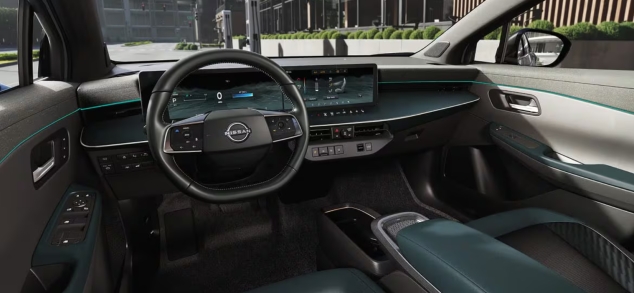
The technology lineup should help the LEAF remain relevant as compact electric SUV expectations change. U.S. models include ProPILOT Assist, wireless Apple CarPlay and Android Auto, connected vehicle functions, and over-the-air updates. The S+ uses 12.3-inch driver and infotainment displays, while SV+ and Platinum+ models move to 14.3-inch screens with Google built-in. Higher trims also bring equipment such as heated front seats, additional USB-C ports, and a wireless phone charger. The Platinum+ goes further with heated rear outboard seats and a Bose Personal Plus audio system. These differences matter because the base model preserves the essential range and powertrain, while buyers who spend more receive comfort and interface upgrades rather than a fundamentally different vehicle.
The most valuable genuine Nissan accessories are the practical protection pieces. Nissan USA lists high-wall all-season floor liners that contain water, snow, and mud, along with removable, spill-resistant trunk-side utility bins for keeping small items from rolling around. A clear rear-bumper protector shields the painted loading edge, while carpeted cargo-area protectors, a cargo net, and a removable tote organizer are also included in Nissan’s official 2026 accessory catalogue. I would prioritize the floor liners and cargo protection first because daily wear begins quickly in a vehicle used for wet shoes, grocery bags, and weekend luggage. Illuminated cargo scuff plates and kick plates add further protection, although they feel more decorative than essential. Genuine accessories installed by a Nissan dealer at the time of new-vehicle purchase receive Nissan’s three-year/36,000-mile limited warranty in the U.S.
Owners who carry outdoor gear have additional choices. Genuine roof-rail crossbars support compatible attachments and have a stated maximum load of 165 pounds, while Nissan lists affiliated Yakima bike and surfboard carriers separately. Those Yakima products carry their manufacturer’s warranty rather than Nissan’s. A genuine CCS adapter expands access to compatible CCS fast chargers, and the optional 1.5-kW V2L connector turns the LEAF’s AC charging port into a 120-volt outlet for light-duty electronics or camping equipment. These options broaden the car’s weekend usefulness without forcing owners to drive a larger SUV throughout the working week. Accessory catalogues and availability can vary outside the United States, so Canadian and other-market buyers should confirm individual items through their regional Nissan retailer.
For me, the 2026 Nissan LEAF fits the future of small SUVs because it focuses on the space most people regularly need. It offers useful electric range, an easy-to-place body, flexible cargo capacity, and enough technology to work as a primary household vehicle for many drivers. There are roomier electric crossovers, though their extra bulk follows them into every parking structure and narrow street. The LEAF’s dimensions feel more considered. Add the right floor and cargo accessories, and it becomes an appealing electric crossover for city driving that can still handle passengers, errands, and an occasional weekend away. That everyday balance is exactly why the 2026 Nissan LEAF deserves to be saved as a favourite.
Pros:
- Compact footprint makes parking and urban driving easier
- Up to 303 miles of EPA-estimated range on the U.S. S+ trim
- Standard NACS fast-charging port for compatible charging networks
- Useful 20-cubic-foot cargo area with 55.5 cubic feet behind the front seats
- Upright crossover body provides easier access and a practical seating position
- Split-folding rear seats support passengers and larger cargo
- Available genuine Nissan floor liners, cargo organizers, bumper protection, and roof crossbars
- Strong standard technology, including smartphone integration and driver-assistance features
Cons:
- Rear legroom may feel limited for taller adults
- Maximum range drops on heavier, higher-equipped trims
- Front-wheel drive only, with no verified all-wheel-drive option
- Some desirable comfort and technology features require higher trims
- Divide-N-Hide cargo storage availability may depend on production timing
- Accessory selection and trim equipment can vary by market
Bottom Line:
The 2026 Nissan LEAF looks like a well-judged compact electric crossover for commuters, urban households, and drivers who find many current SUVs unnecessarily large. Its manageable size, practical cargo area, strong range, and updated charging hardware make it an appealing everyday EV and a convincing favourite for the future of small SUVs.
Tags:
2026 Nissan LEAF, 2026 Nissan LEAF small SUV, Nissan LEAF electric crossover, compact electric SUV, small electric SUV, city-friendly electric vehicle, Nissan LEAF accessories, practical compact EV, electric crossover for city driving