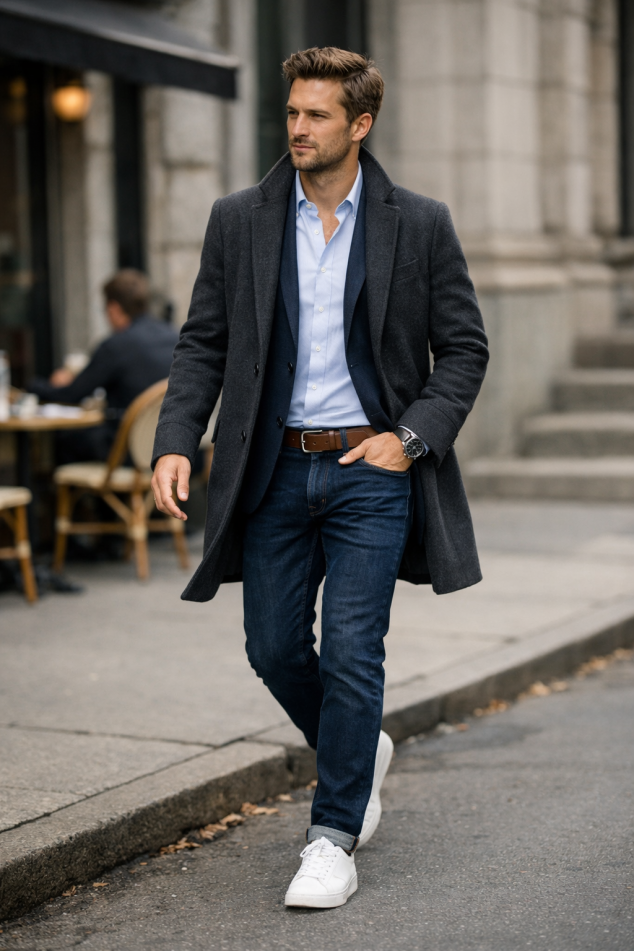
Smart style is about choosing pieces that quietly earn their keep over time. This guide highlights men’s fashion investments that hold up, wear well, and keep your closet working for you each year.
There’s a moment in every guy’s style life when you realize the cheapest option keeps getting expensive. The shirt that warps after a few washes, the shoes that split at the sole, the jacket that never quite drapes right, then the repeat purchase, then the closet full of “fine for now.” Shopping smart for men’s fashion investments means treating your wardrobe like a long-term asset, where durability, versatility, and cost-per-wear matter as much as how sharp you look walking out the door. When I buy with longevity in mind, I get dressed faster, I feel more put-together, and I stop wasting money on replacements that were predictable from the start.
Start with outerwear, because it’s the first thing people see and the thing that takes the most abuse. A well-made wool topcoat in a neutral tone, a sturdy waxed canvas field jacket, or a classic leather jacket earns its keep every winter, rainy commute, and last-minute dinner plan. Picture an outfit that never fails: dark denim, a merino crewneck, clean boots, and a topcoat that hangs with clean lines at the shoulder and moves easily when you reach for your keys. Quality outerwear has structure, strong stitching, and hardware that feels solid, and it looks better as it ages instead of looking tired. The payoff is huge because a great jacket does the heavy lifting for years while the rest of your outfit stays simple.
Footwear is where smart spending shows up immediately, especially once you track cost-per-wear. I’d rather own fewer pairs that can be resoled and maintained than a pile of shoes that crumble. A pair of goodyear-welted boots, a minimal leather sneaker, and a classic loafer cover most real life without feeling repetitive. One of my go-to outfits is straight-leg jeans, an Oxford shirt, a simple belt, and boots that have enough heft to balance the look without screaming for attention. When the leather is good and the last fits your foot, you stop thinking about your shoes mid-day, and that comfort plus durability becomes part of the value.
Denim is another place where “investment” doesn’t have to mean rare or precious, it just means dependable. A pair of heavyweight selvedge jeans can last for years if the fit is right and you rotate them, and even mid-priced denim becomes a smart buy when the fabric is dense, the seams are neat, and the cut works with multiple types of shoes. I like having one dark, clean pair that can lean dressy with a blazer, plus a slightly faded pair for weekends. Put on a chambray shirt, dark jeans, a belt with a solid buckle, and a field jacket, and you’ve got a look that reads intentional without feeling like you tried too hard. The key is choosing denim that holds its shape, fades nicely, and doesn’t fight the rest of your closet.
Tailoring is the quiet money-saver most guys avoid until they realize how often they reach for it. A well-fitting navy blazer, a charcoal wool trouser, and a crisp white or light-blue Oxford can handle meetings, weddings, dates, and travel days when you want to look steady and capable. The smartest move is buying the best fabric you can afford and budgeting for tailoring, because a moderate-priced jacket that fits your shoulders and is altered properly will outperform a pricey one that doesn’t. One outfit I lean on is a navy blazer, grey trousers, a soft knit polo, and loafers, with a simple watch and a clean coat when it’s cold. Those pieces don’t age out, and they make everything else you own look more elevated just by being in the mix.
Everyday essentials are where closets usually bleed money, so it’s worth being picky. Tees that keep their collar, socks that don’t thin out, underwear that holds its shape, a sturdy belt, and a couple of knitwear pieces in wool or cashmere blends change the daily experience of getting dressed. I like a rotation built around a heavy cotton tee, a merino cardigan, dark jeans, and leather sneakers, because it feels relaxed but still pulled together. When basics are well-made, you stop replacing them constantly, and you also stop compensating with louder items that try to distract from worn-out foundations. This is the unglamorous part of men’s wardrobe essentials, and it’s the part that quietly pays off the most.
Shopping smart comes down to a repeatable decision habit: buy fewer items, wear them harder, maintain them, and choose pieces that work across your real calendar rather than a fantasy one. If you focus on men’s fashion investments like outerwear, footwear, denim, tailoring, and strong everyday staples, you’ll build a wardrobe that looks better over time and costs less over time, which is the whole point. I’m always happiest when my closet feels like a set of reliable tools: the jacket that always works, the shoes that can take a beating, the jeans that fit the same every week, the blazer that saves me when I need to look sharp fast. Style is personal, sure, but smart spending is universal, and a thoughtful wardrobe is one of the few things you can buy that keeps paying you back every time you get dressed.
Pros:
- Saves money over time by reducing repeat purchases and replacement cycles
- Creates a more consistent personal style that feels intentional instead of scattered
- Improves daily comfort and confidence through better fit, fabric, and construction
- Makes getting dressed easier because more items work well together
- Holds value in both appearance and function as pieces age well rather than wear out
Cons:
- Higher upfront cost can feel intimidating at the point of purchase
- Requires patience and research instead of impulse buying
- Fewer total items in the closet, which can feel limiting at first
- Mistakes are more expensive if you buy the wrong fit or fabric
Bottom Line:
Treating men’s fashion as an investment pays off when you prioritize pieces that last, adapt, and improve with wear. Spending more thoughtfully leads to a wardrobe that works harder for you, looks better over time, and ultimately costs less than constantly replacing cheaper alternatives.
Tags:
men’s fashion investments, shop smart men’s style, wardrobe essentials for men, quality over quantity menswear, timeless men’s style, cost per wear, durable menswear staples, men’s outerwear essentials, best men’s boots,