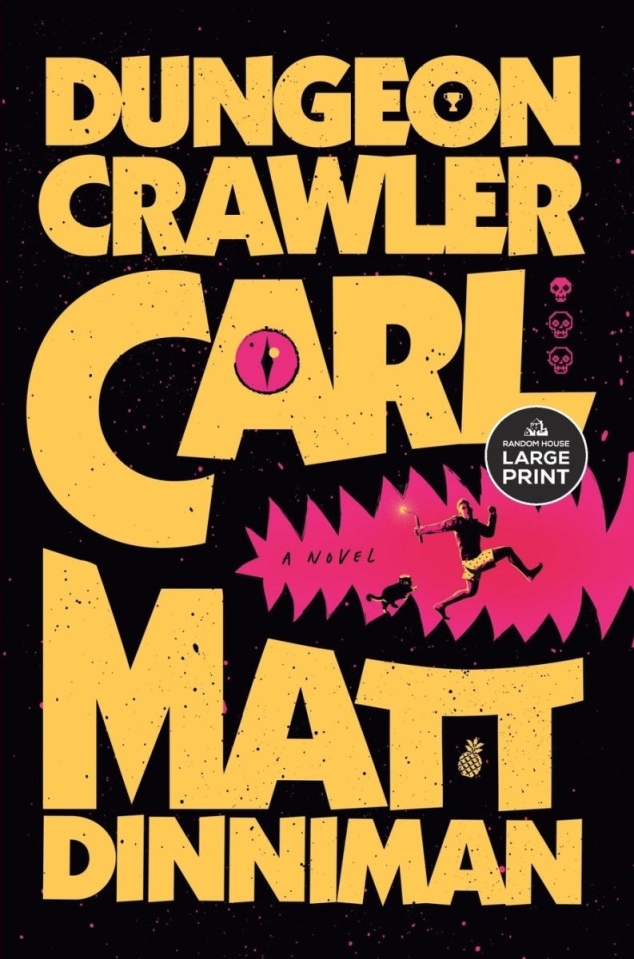
What looks like pure LitRPG chaos becomes a surprisingly human story, where levels, stats, and achievements deepen tension, empathy, and character growth instead of distracting from it.
Some books win you over with style. Dungeon Crawler Carl wins you over with structure. I picked it up expecting clever genre fun and ended up surprised by how grounded it feels, even while the world is actively trying to kill everyone inside it. The hook is loud and absurd, yet the reading experience settles into something steady and emotionally legible. That balance is what makes it stick.
At its core, the book runs on LitRPG logic. Levels increase, stats matter, achievements unlock, and the system keeps score at all times. What surprised me is how cleanly those mechanics are explained through the story itself. You do not need gaming literacy to follow what is happening because the rules are introduced the same way real consequences are. A choice is made, the system reacts, and the cost becomes clear. Over time, the rules feel less like jargon and more like the physics of the world.
The leveling system does real narrative work. Every gain feels earned because it usually comes after loss, fear, or compromise. Stats stop being abstract numbers and start acting like pressure points. When Carl improves in one area, something else often feels exposed. Progress never reads as free power. It reads as adaptation under stress, which is something every reader understands on a human level.
Achievements might be the smartest emotional device in the book. On the surface, they reward cleverness or survival. Underneath, they act like commentary. The system notices things that no human audience would applaud, and that dissonance matters. Being praised for brutality or efficiency forces both Carl and the reader to sit with uncomfortable questions about what success looks like when the rules are warped. The game applauds. The story pauses.
What really grounds everything is character. Carl’s internal reactions carry the weight of the book. The logic of the dungeon never replaces his judgment or his fatigue. It rubs against it. His bond with Donut adds warmth without softening the stakes, and that contrast deepens the tension rather than diluting it. The system keeps pushing forward, but the characters keep remembering who they were before any of this made sense.
For readers who have never touched a role playing game, the appeal comes from clarity. You always know why something matters. When the rules change, the emotional temperature shifts with them. Suspense grows because the limits are visible. Empathy grows because the cost of survival is tracked in more than pain. It is tracked in attention, restraint, and the slow reshaping of values.
That is why the book holds up beyond its genre. The game logic is not decoration. It is the engine that sharpens every decision and makes every small win feel temporary. The dungeon counts everything, but the story keeps asking what should count. That question stays with you long after the numbers fade.
Pros:
- The game mechanics are clear and easy to follow, even without prior LitRPG experience.
- Progression feels meaningful because upgrades usually come with emotional or moral cost.
- The system itself adds tension by rewarding behavior that feels uncomfortable or wrong.
- Character relationships ground the chaos and keep the story emotionally readable.
- Momentum stays strong across chapters, making it easy to keep reading without burnout.
Cons:
- The premise is intentionally absurd, which may take a few chapters to fully settle into.
- The constant presence of stats and system messages can feel dense early on.
- Readers looking for subtle or quiet storytelling may find the tone intense at times.
Bottom Line:
Dungeon Crawler Carl works because it treats game logic as a storytelling tool rather than a gimmick. The mechanics sharpen the emotional stakes instead of competing with them, making it a strong recommendation even for readers who usually avoid gamer-adjacent fiction.
Tags:
Dungeon Crawler Carl, Matt Dinniman, LitRPG books, LitRPG storytelling, RPG mechanics in fiction, character driven LitRPG, progression fantasy, sci fi fantasy novels, best LitRPG series, books like Dungeon Crawler Carl