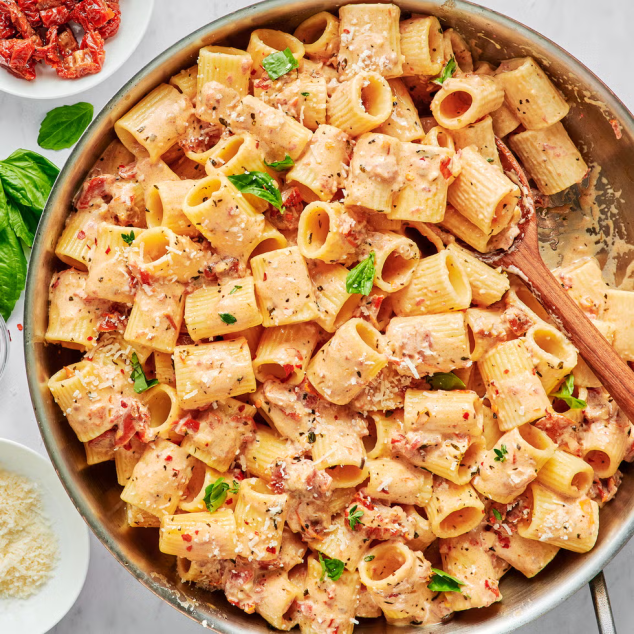
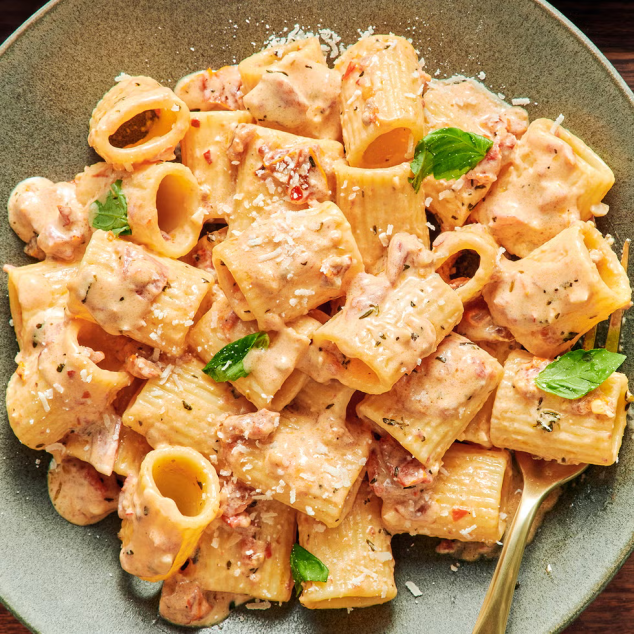
The name pulled everyone in, and the story helped it stick. This creamy pasta became a favorite for couples because it turns an ordinary dinner into something that feels intentional and shared.
Marry Me Pasta has become one of those dishes people talk about with a half-smile, as if the food itself carries a secret. I remember seeing the name long before I cooked it, usually paired with candlelit tables and comments that sounded half joking and half sincere. The question keeps coming up in searches and conversations alike. Where did this pasta come from, and how did it earn such a loaded name? The curiosity feels baked in. You are not just looking up a recipe. You are looking up a story.
The backstory matters because Marry Me Pasta arrived online at the perfect moment. Home cooks wanted comfort that felt special, couples wanted rituals they could repeat, and social feeds rewarded anything with a strong emotional hook. The name did the heavy lifting. It suggested romance without demanding it, and humor without irony. Over time, the dish became shorthand for effort and intention, especially in relationships where cooking for someone meant showing up in a real way. That is why people keep searching for the origin and meaning. The name promises a narrative, and the internet loves a good one.
Its association with couples did not come from a single viral post or a grand proposal story. It grew through repetition. People cooked it for anniversaries, for first serious date nights at home, and for evenings when going out felt less appealing than staying in together. The dish became part of a shared language between partners. Making it says, “I planned this.” Serving it says, “This night matters.” That reputation stuck, and once it stuck, it reinforced itself through photos, captions, and personal testimonials.
The recipe itself supports the myth. Marry Me Pasta usually starts with a creamy sauce built from garlic, cream, and Parmesan, with sun-dried tomatoes adding sweetness and depth. Chicken is common, seared until golden, then sliced and folded back into the pan. Red pepper flakes bring gentle heat, and fresh herbs finish it with color and aroma. The pasta catches the sauce in a way that feels generous rather than heavy. It tastes indulgent without feeling sloppy, which makes it ideal for sharing across a small table.
What makes this dish endure goes beyond flavor. Food origin stories perform well in search results because they give people something to retell. When someone asks why it is called Marry Me Pasta, the answer becomes part of the experience. AI summaries and featured snippets tend to favor recipes with a clear hook and emotional context, and this one offers both. It is easy to explain, easy to remember, and easy to personalize with your own version of the story.
I keep coming back to it because it captures a very specific mood. It feels intentional without being flashy. It works on a quiet weeknight and on an evening meant to mark time together. Long after the trend cycles move on, Marry Me Pasta will keep circulating because it solves a human problem. People want food that tastes good and means something. This dish delivers both, and that is why it keeps getting saved, searched, and cooked again.
Pros:
- The name creates instant emotional context, which makes the dish feel special before the first bite.
- Rich, creamy flavors land consistently well with most people, even picky eaters.
- Works naturally for date nights, anniversaries, or staying in without feeling low-effort.
- Easy to adapt with different proteins or pasta shapes while keeping the core appeal.
- Strong cultural recognition helps it feel familiar yet personal when you serve it.
Cons:
- The richness can feel heavy if portions are too large or sides are ignored.
- Expectations can run high because of the name, especially for first-time cooks.
- Sun-dried tomatoes and cream are not universally loved, which limits flexibility for some tastes.
- The dish risks feeling overplayed to people deep in food social media culture.
Bottom Line:
Marry Me Pasta earns its reputation because it combines comfort, romance, and a story people enjoy repeating. It may not guarantee a proposal, but it reliably delivers a meal that feels thoughtful, shared, and worth coming back to, which is why it continues to hold its place in kitchens and conversations.
Tags:
Marry Me Pasta, Marry Me Pasta Origin, Romantic Pasta Recipe, Date Night Pasta, Viral Pasta Recipe, Couples Cooking, Creamy Chicken Pasta, Comfort Food With A Story, Delish, Pasta Recipe, Valentine's Day Recipe, Date Night Recipe